


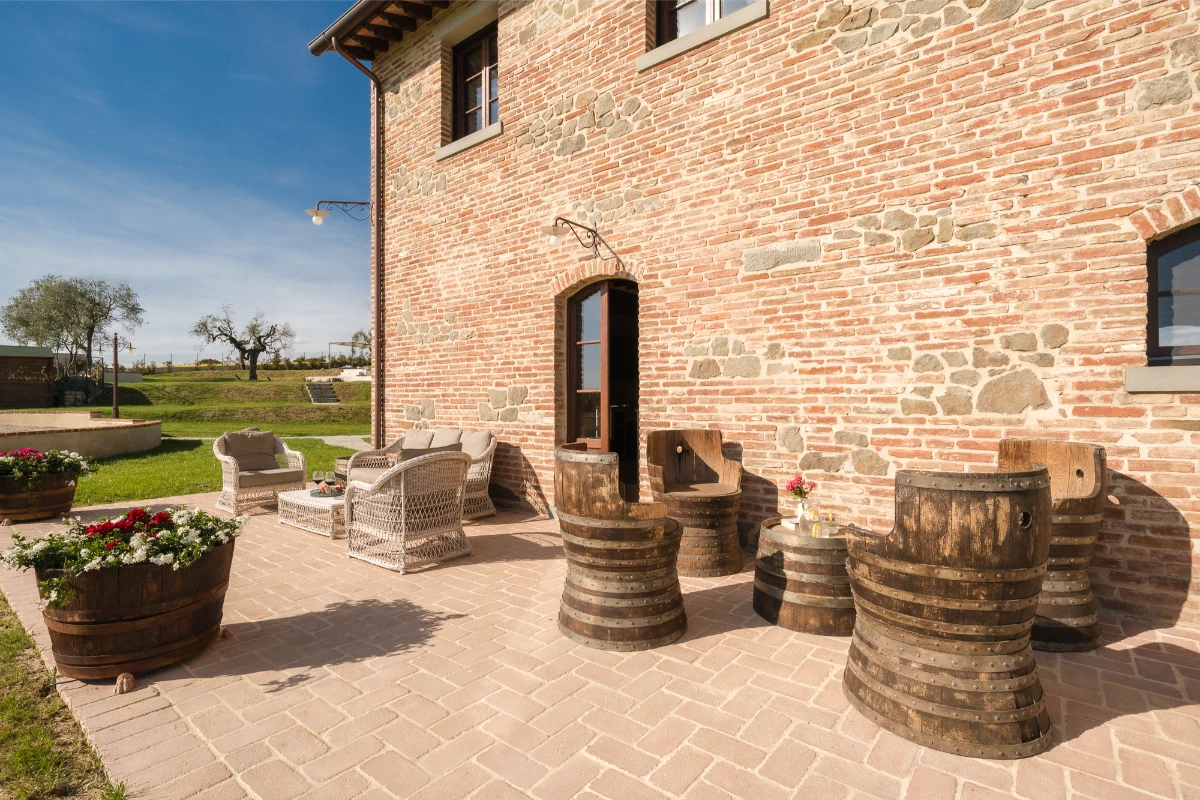
Acquistare una casa in Toscana come straniero: una guida passo passo
Pochi luoghi al mondo ispirano lo stesso livello di desiderio di Toscana. Dolci colline ricoperte di uliveti e vigneti, borghi medievali arroccati, cibo e vino di classe mondiale e una qualità della vita che è difficile trovare altrove: queste sono le ragioni per cui acquirenti dagli Stati Uniti, dal Regno Unito, dalla Germania e da tutta l'Europa settentrionale continuano a rendere la Toscana uno dei mercati immobiliari più ricercati in Italia.
Ma l'acquisto di una proprietà in Italia da parte di uno straniero comporta un processo che è significativamente diverso da quello a cui la maggior parte degli acquirenti internazionali è abituata. Comprendere i passaggi coinvolti — e lavorare con le persone giuste in ogni fase — è ciò che separa un acquisto agevole e di successo da uno frustrante e costoso. Questa guida è pensata per offrire agli acquirenti una chiara panoramica di come funziona il processo e cosa aspettarsi.
Passaggio 1: Definisci i tuoi obiettivi e criteri
Prima di iniziare seriamente la ricerca di un immobile, vale la pena dedicare del tempo a definire chiaramente ciò che si sta effettivamente cercando. La Mercato immobiliare in Toscana e Umbria offre un'enorme gamma di tipologie immobiliari, località e fasce di prezzo, dai casali che richiedono una ristrutturazione completa a ville chiavi in mano con piscina e vista panoramica, e da posizioni rurali in collina ad appartamenti nei centri storici come Cortona.
Le domande chiave a cui rispondere in questa fase includono:
- Stai cercando una residenza principale
- Qual è il tuo budget realistico — comprensivo di costi di acquisto, tasse e eventuali ristrutturazioni?
- A quali aree sei attratto e le hai visitate in stagioni diverse?
- Quali sono i tuoi irrinunciabili in termini di tipologia di immobile, dimensioni e carattere?
- Qual è la tua tempistica per completare un acquisto?
Essere onesti e specifici riguardo a queste domande fin dall'inizio consente alla tua agenzia di concentrare la ricerca su proprietà realmente pertinenti ed evita perdite di tempo da entrambe le parti.
Passo 2: Comprendere il quadro giuridico e fiscale
L'Italia è aperta agli acquirenti di immobili stranieri e non ci sono restrizioni per i cittadini non UE che acquistano beni immobili. Tuttavia, il processo di acquisto di immobili in Italia presenta una
- Codice fiscale: Ogni acquirente deve ottenere un codice fiscale italiano prima che l'acquisto possa essere finalizzato. È semplice da ottenere e la tua agenzia o avvocato potrà assisterti.
- Contratto preliminare (compromesso): Una volta concordato il prezzo, entrambe le parti firmano un contratto preliminare di compravendita e l’acquirente versa un acconto, solitamente pari al 10–20% del prezzo concordato. Si tratta di un impegno giuridicamente vincolante.
- Periodo di due diligence Tra il compromesso e l'atto definitivo, l'avvocato dell'acquirente verifica la titolarità, la conformità urbanistica, i dati catastali e gli eventuali gravami o vincoli sull'immobile.
- Atto notarile (rogito): Il trasferimento definitivo della proprietà avviene davanti a un notaio, che è un pubblico ufficiale indipendente. Il ruolo del notaio è quello di verificare la legalità della transazione, non di rappresentare alcuna delle parti.
- Imposte sull'acquisto: Questi variano a seconda che l'immobile sia la tua residenza principale o una seconda casa, e se stai acquistando da un venditore privato o da un costruttore. Il tuo avvocato ti informerà sulle aliquote applicabili.
Passo 3: Lavora con i Partner Locali Giusti
La decisione più importante che prenderai nell'acquisto di una proprietà in Toscana è scegliere con chi lavorare. Avrai bisogno di:
- Un'agenzia immobiliare locale: Uno con una reale conoscenza del mercato, una rete consolidata e esperienza di lavoro con acquirenti internazionali. Non tutte le agenzie che listano proprietà in Toscana hanno le radici locali o l'esperienza internazionale per guidare efficacemente un acquirente straniero.
- Un avvocato italiano indipendente: Separato dall'agenzia, il tuo avvocato dovrebbe rappresentare esclusivamente i tuoi interessi — rivedere tutta la documentazione, segnalare eventuali problemi legali e guidarti attraverso i contratti.
- Notaio: Nominato per l'atto finale. In Italia, il notaio è solitamente scelto dall'acquirente.
- Un geometra o un consulente tecnico: Per le proprietà rurali, un'indagine sulla struttura, la conformità urbanistica e i confini del terreno è vivamente consigliata prima di impegnarsi in un acquisto.
A Alunno Immobiliare, abbiamo supportato acquirenti internazionali in Cortona, Toscana e Umbria da oltre 75 anni. Lavoriamo a fianco di una rete fidata di avvocati, geometri e notai e rimaniamo coinvolti in ogni fase del processo per garantire che i nostri clienti abbiano il supporto di cui hanno bisogno dalla prima visita all'atto finale e oltre.
Un cittadino non comunitario può acquistare immobili in Italia?
Sì. L'Italia non limita l'acquisto di proprietà da parte di stranieri. I cittadini di paesi che hanno un accordo di reciprocità con l'Italia - che include USA, Regno Unito, Australia, Canada e la maggior parte degli altri - possono acquistare liberamente. Il tuo avvocato confermerà la posizione per la tua nazionalità specifica.
Devo essere in Italia per completare l'acquisto?
Non necessariamente. È possibile conferire una procura a un rappresentante in Italia – solitamente il tuo avvocato – che può firmare documenti e completare l'acquisto per tuo conto. Molti dei nostri clienti internazionali completano gli acquisti in questo modo.
Quali costi aggiuntivi dovrei prevedere nel mio budget oltre al prezzo di acquisto?
In genere, gli acquirenti dovrebbero prevedere un importo aggiuntivo pari al 10–15% del prezzo di acquisto per coprire le imposte sull’acquisto, le spese notarili, le commissioni dell’agenzia e le spese legali. L’agenzia e il vostro avvocato vi forniranno un riepilogo dettagliato specifico per la vostra transazione prima che vi impegniate.
Come trovo proprietà che non sono elencate online?
Una porzione significativa delle proprietà più interessanti in Toscana e Umbria non appare mai sui portali pubblici. Lavorare con un'agenzia che ha una rete off-market attiva — e di cui ti fidi — è il modo più affidabile per accedere alla gamma completa di ciò che è disponibile.