


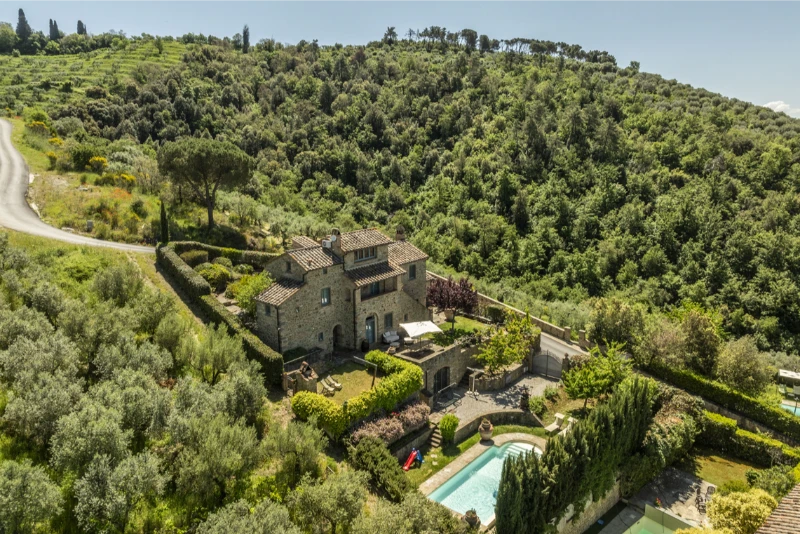
Investire in Immobili tra Toscana e Umbria: Opportunità, Rendimenti e le Zone più Richieste nel 2025
In un'era di incertezza economica e mercati finanziari volatili, immobili in Toscana e Umbria continua a offrire qualcosa di sempre più raro: stabilità, valore tangibile e apprezzamento a lungo termine guidato da una domanda internazionale duratura. A differenza di molti mercati immobiliari, il fascino della proprietà rurale nell'Italia centrale non è legato a un singolo ciclo economico, ma a qualcosa di più duraturo: la qualità della vita, il patrimonio culturale e il paesaggio che attirano acquirenti da tutto il mondo, generazione dopo generazione.
Per gli investitori internazionali che guardano al mercato italiano nel 2025, La Toscana e l'Umbria rappresentano un punto di ingresso ben consolidato e a rischio relativamente basso nel settore immobiliare europeo — a condizione che l'investimento sia approcciato con una corretta conoscenza del mercato, aspettative realistiche e il giusto supporto professionale.
Tipi di opportunità di investimento nel mercato
Il mercato immobiliare tra Cortona, Toscana e Umbria offre diversi profili di investimento distinti:
- Seconda casa con potenziale di affitto: Proprietà che fungono da ritiro personale generando al contempo reddito tramite affitti turistici durante i periodi di inutilizzo. Casali e ville con piscina vicino a Cortona e al Lago Trasimeno performano particolarmente bene in questa categoria.
- Agriturismo e ospitalità: Proprietà rurali con il potenziale di essere gestite come strutture ricettive, spesso combinando attività agricola e turismo. Questo settore ha mostrato una domanda forte e costante negli ultimi anni.
- Acquista per ristrutturare: Acquistare una proprietà al di sotto del valore di mercato, ristrutturarla secondo standard elevati e rivenderla a un prezzo superiore. Ciò richiede un'attenta valutazione dei costi e appaltatori locali affidabili, ma può offrire rendimenti elevati nelle località giuste.
- Apprezzamento del capitale a lungo termine: Semplicemente possedere un immobile ben scelto in una località ambita. Immobili rurali nella zona di Cortona, Val d'Orcia e vicino al Lago Trasimeno hanno mostrato una crescita costante del valore nel lungo periodo.
Le aree più ricercate per gli investimenti in questo momento
In base all'attuale attività degli acquirenti e alle dinamiche di mercato, le aree che attraggono il maggiore interesse per gli investimenti internazionali Toscana e Umbria includere:
- Cortona e la Val di Chiana — una domanda costante da acquirenti statunitensi, britannici e nordeuropei, un'offerta limitata di proprietà rurali di qualità
- Lago Trasimeno — interesse crescente, forte domanda di affitti in estate, prezzi d'ingresso competitivi rispetto alla Toscana
- Val d'Orcia e Montepulciano - tra i paesaggi più riconosciuti d'Italia, con una fortissima domanda internazionale e un'offerta limitata
- Orvieto e Todi in Umbria — crescente interesse da parte degli acquirenti in cerca di autenticità e valore, con solidi fondamentali a lungo termine
- Il corridoio Cortona-Perugia — che beneficia della vicinanza a due mercati significativi, con buona accessibilità e infrastrutture in crescita
Cosa considerare prima di investire
Investire in proprietà in Toscana e Umbria può essere molto gratificante, ma richiede una valutazione realistica di diversi fattori prima di impegnarsi:
- Costo totale di acquisizione: Prezzo d'acquisto più tasse, commissioni e qualsiasi spesa immediata per ristrutturazione o manutenzione. Il costo "tutto compreso" è ciò che determina il reale ritorno sull'investimento.
- Licenze e regolamenti per le locazioni: L'attività di affitto turistico in Italia è soggetta a normative regionali e locali che variano e cambiano. Comprendere i requisiti prima dell'acquisto è essenziale.
- Gestione continua Le proprietà rurali richiedono una gestione attiva: manutenzione, cura del giardino, pulizia della piscina e obblighi amministrativi. Un property manager locale è solitamente necessario per i proprietari assenti.
- Posizione fiscale: Sia le imposte immobiliari italiane che il trattamento fiscale dei redditi da locazione devono essere compresi nel contesto della tua posizione fiscale complessiva, inclusi gli obblighi nel tuo paese di residenza.
- Strategia di uscita: Il momento migliore per pensare alla vendita è prima dell'acquisto. Gli immobili nelle località più ambite e con il più ampio appeal internazionale sono i più facili da rivendere, se e quando necessario.
A Alunno Immobiliare, supportiamo gli investitori con la stessa profondità di conoscenza locale e rete professionale che portiamo a tutti i nostri clienti. La nostra comprensione di il mercato di Cortona, Toscana e Umbria — incluse le località che attirano il maggiore interesse da parte degli acquirenti, i tipi di proprietà che si rivelano migliori come investimenti e come evitare gli errori più comuni — è una risorsa di cui gli investitori beneficiano durante l'intero processo.
Quali rendimenti da locazione posso aspettarmi da un immobile per affitti brevi in Toscana?
I rendimenti variano in modo significativo a seconda della località, del tipo di proprietà, della qualità della presentazione e dell'efficacia della gestione e del marketing. Proprietà ben posizionate e ben gestite vicino a Cortona, al Lago Trasimeno o in Val d'Orcia possono raggiungere tassi di occupazione e tariffe notturne che garantiscono rendimenti significativi, in particolare durante l'alta stagione da maggio a ottobre.
È meglio investire in Toscana o in Umbria dal punto di vista dei rendimenti?
Entrambe le regioni offrono opportunità autentiche, con diversi profili di rischio e rendimento. La Toscana — e in particolare le aree intorno a Cortona e la Val d’Orcia — offre una domanda forte e comprovata con prezzi di ingresso leggermente più elevati. L’Umbria offre punti di ingresso con un miglior rapporto qualità-prezzo, una domanda in crescita e solidi fondamentali a lungo termine. La scelta giusta dipende dai tuoi specifici criteri di investimento.
Ci sono restrizioni per i cittadini non UE che acquistano immobili come investimento in Italia?
Non si applicano restrizioni significative alla maggior parte delle nazionalità non UE. L'Italia accoglie gli investimenti immobiliari esteri e il quadro giuridico è ben consolidato. Il vostro avvocato confermerà la posizione per la vostra nazionalità e circostanze specifiche.
Devo essere residente in Italia per gestire una proprietà in affitto turistico?
No — è possibile gestire una proprietà in affitto per le vacanze in Italia come non residente, anche se sarà necessario rispettare le normative italiane sugli affitti e gli obblighi fiscali. In questa situazione si consiglia un property manager locale e un commercialista esperto in redditi da locazione per non residenti.